How to Choose a Surgical Instrument Manufacturer for OEM Supply

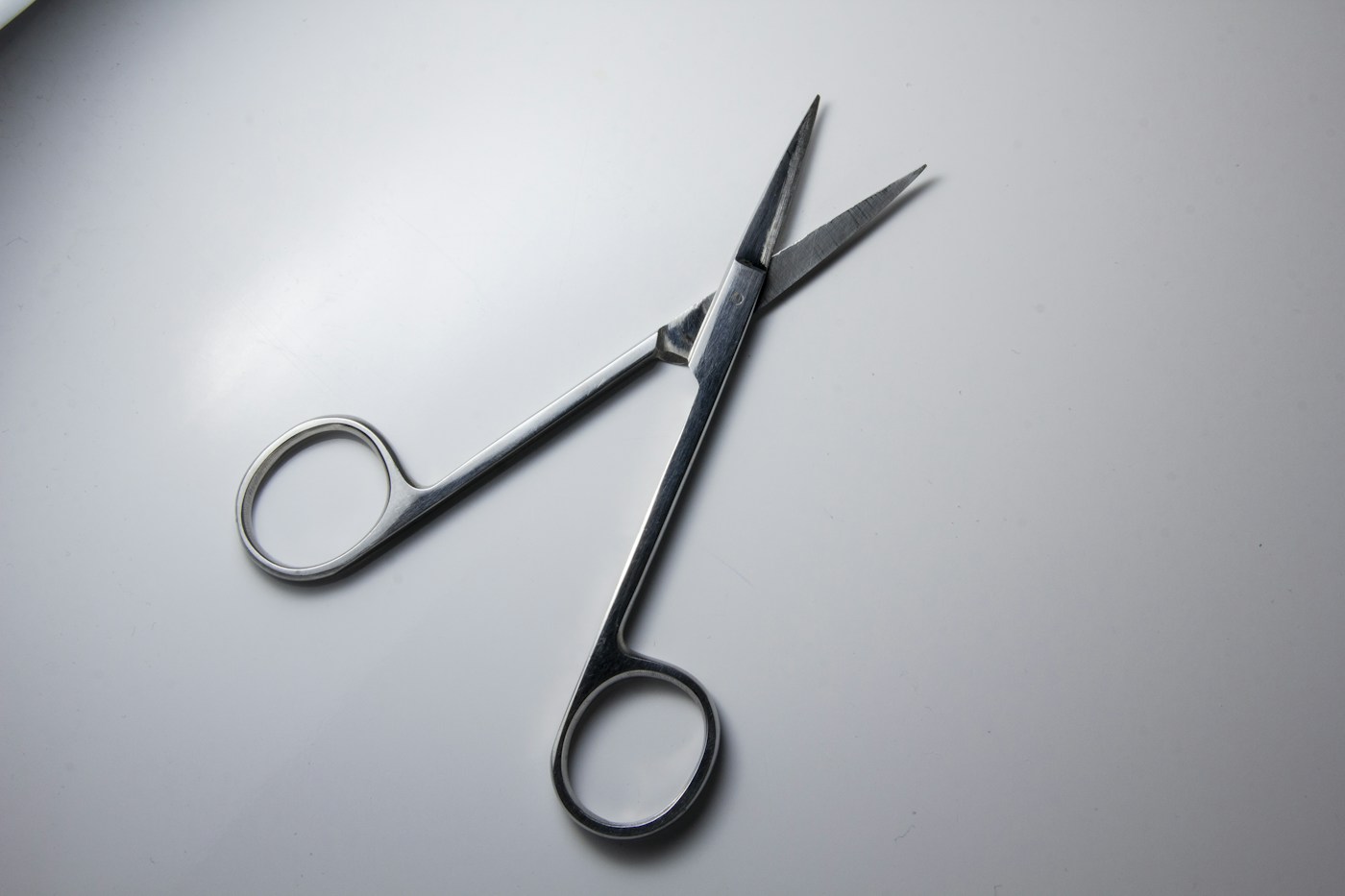
Selecting a surgical instrument manufacturer is a procurement decision that affects product consistency, documentation, lead times, and the buyer’s ability to support customers over time. For hospital groups, importers, distributors, and private-label brands, a useful evaluation looks beyond a price list and tests whether the supplier can meet the written specification repeatedly.
1. Start with a clear technical specification
Provide a drawing, item list, reference sample, or other controlled specification wherever possible. Confirm dimensions, tip geometry, working length, material requirements, finish, joint action, markings, and packaging. If the request is based on an existing instrument, document acceptable differences before production instead of relying on a verbal description.
2. Evaluate the sample and approval process
For a new supplier or an OEM project, agree how samples will be reviewed and how feedback will be recorded. Check the actual sample against the approved specification and acceptance criteria. Clarify whether revisions require a new drawing, a new sample, or formal approval before the next production run. A sample approval should create a reference that both buyer and manufacturer can use consistently.
3. Ask for quality and traceability evidence
Ask the manufacturer for the documents relevant to the products and the markets in which they will be supplied. Verify certificate validity, issuing organization, expiry where applicable, and the scope of products or activities covered. A general company certificate should not be treated as proof that every product or every intended use is covered. Request the product identification and batch or lot traceability information appropriate to the supply arrangement.
4. Review manufacturing controls and inspection
Discuss how incoming materials, machining, finishing, assembly, final inspection, nonconforming products, and corrective actions are controlled. The supplier should be able to explain which checks apply to the agreed product and how acceptance criteria are documented. Where applicable, ask how critical dimensions, alignment, joint action, surface condition, and marking are verified.
5. Define OEM and private-label details
Private-label and OEM arrangements need written agreement on logo or marking artwork, product codes, label content, packaging, language, carton configuration, sample approval, intellectual property, and any confidentiality requirements. Confirm who approves artwork and who is responsible for verifying that the final labels meet the destination market’s requirements. Do not assume that applying a brand label changes the regulatory status of a device.
6. Confirm supply terms before placing the order
- Minimum order quantities and whether mixed-item orders are possible.
- Lead time for samples, first production, repeat orders, and custom packaging.
- Written quotation validity, payment milestones, shipment terms, and export documentation.
- How substitutions or specification changes are approved.
- How defects, shortages, returns, and corrective actions are handled.
- Whether the supplier can support realistic reorder forecasts and product-code consistency.
Questions to ask a surgical instrument supplier
Before approving a supplier, ask: Can you supply the complete technical list? What product-specific documents are available? How are samples and changes approved? How is each item identified? Which inspection checks apply? What is the normal lead time after specification approval? Who approves private-label artwork? The answers should be clear and recorded, not just discussed verbally.
Is the lowest quote always the best value?
No. Compare the complete scope, specification compliance, sample quality, documentation, packaging, repeatability, lead time, and after-sales process alongside price. A lower unit price may not be comparable if the quoted product or included services differ.
Virotech Instrument works with buyers exploring surgical instruments, procedure-specific sets, and OEM or private-label enquiries. Share your instrument list and destination-market requirements through our contact page so the scope can be reviewed before a quotation is prepared.