Orthopedic Surgical Instruments: Types & Buying Checklist

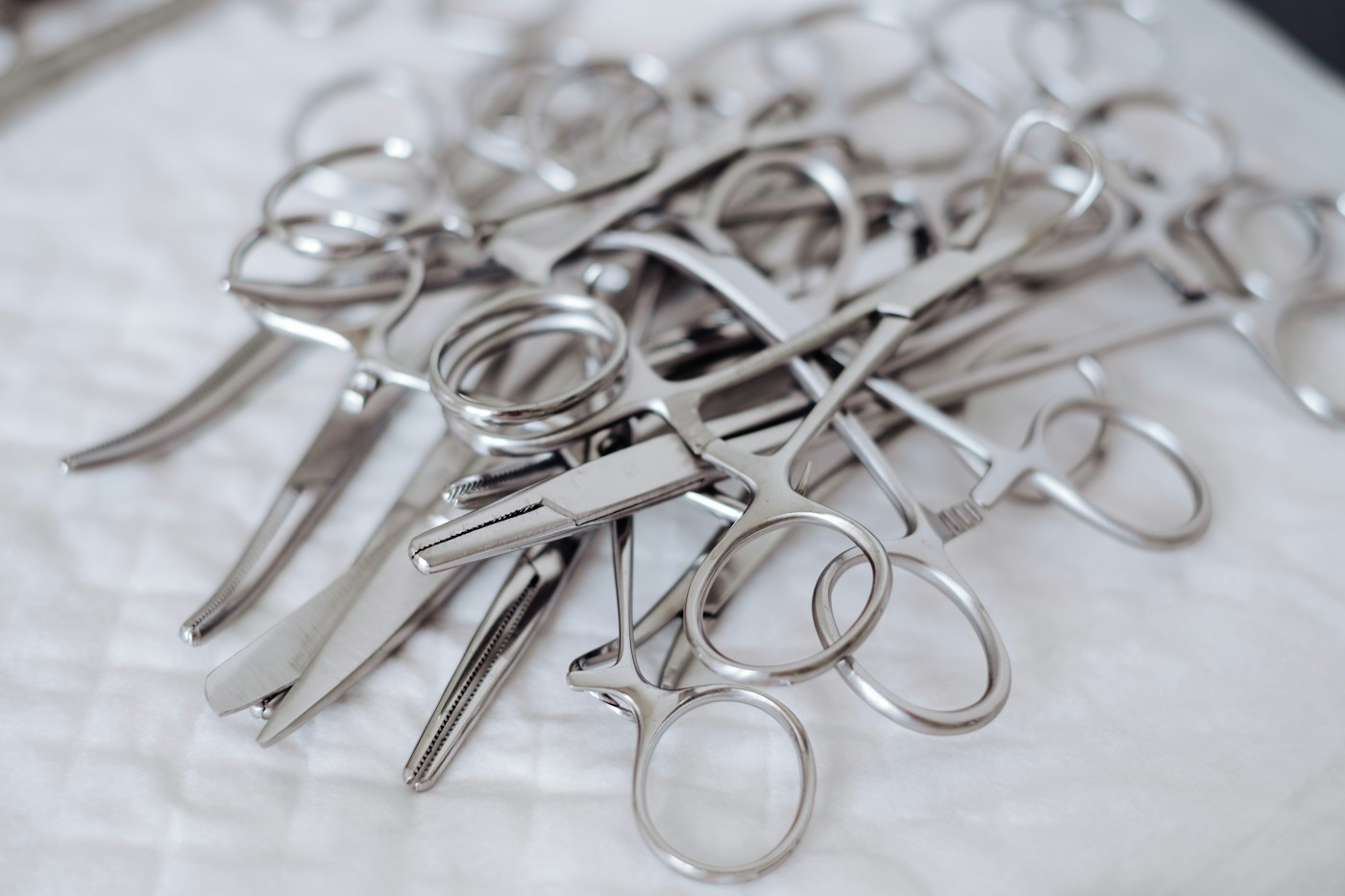
Choosing orthopedic surgical instruments is easier when the purchasing team understands how instruments are grouped, how a set will be used, and which technical details need to be confirmed before an order is placed. This guide is written for hospital procurement teams, surgical-instrument distributors, and OEM buyers evaluating instruments and procedure-specific sets.
What are orthopedic surgical instruments?
Orthopedic instruments are tools used by trained surgical teams in procedures involving bones, joints, and related structures. The exact instruments needed depend on the procedure, the surgeon’s preference, the implant system where applicable, and the facility’s approved instrument list. A product name alone is not enough to confirm suitability; buyers should compare technical specifications and compatibility before purchasing.
Common groups of orthopedic instruments
- Bone-holding and reduction instruments: forceps and clamps used to hold or manipulate bone during a procedure.
- Cutting and shaping instruments: bone cutters, osteotomes, chisels, rongeurs, and related tools selected for defined surgical tasks.
- Elevators and retractors: instruments designed to elevate tissue or maintain access to the operative area.
- Drilling and guide instruments: drill guides, sleeves, depth gauges, and related components specified for a particular system or technique.
- Plate, rod, and screw instruments: bending tools, drivers, holders, and other components whose dimensions and compatibility should be checked against the intended implant system.
- Procedure-specific sets and trays: organized collections intended to help teams check, store, transport, and identify a defined instrument list.
Orthopedic instrument buying checklist
Before requesting a quotation for an orthopedic instrument set, use a checklist like the one below and have the clinical team confirm the final requirements.
- Define the intended procedures. Provide the instrument list or reference set rather than relying on a broad category name.
- Confirm dimensions and compatibility. Check working length, tip design, size range, connections, and any implant-system interface stated in the specification.
- Review construction and finish. Ask about the specified material, surface finish, joint movement, alignment, edge condition, and inspection criteria relevant to each instrument.
- Check documentation and traceability. Request product identification, batch or lot traceability where applicable, inspection records, and current certificates relevant to the product and destination market.
- Plan the tray layout. Confirm instrument quantities, secure placement, labels, and the process used by the facility to verify the set is complete.
- Agree samples and acceptance criteria. For new suppliers or custom sets, approve drawings, samples, tolerances, packaging, and sign-off steps before bulk production.
Materials, care, and documentation
Surgical instruments are often specified in stainless-steel grades chosen for the intended application, but the actual grade and properties should be confirmed in the product documentation. Buyers should not assume that all instruments have identical material specifications or that one supplier’s statement automatically applies to every item in a catalog. Cleaning, disinfection, inspection, lubrication where specified, and sterilization must follow the instrument’s instructions for use and the healthcare facility’s validated procedures.
Frequently asked questions
Can one orthopedic instrument set be used for every procedure?
No universal set should be assumed. Instrument requirements depend on the procedure, the clinical team’s preferences, the implant system, and the facility’s approved list. Confirm the complete specification before ordering.
What should distributors request from an orthopedic instrument manufacturer?
Request a detailed instrument list, drawings or dimensional specifications where relevant, sample-approval steps, labeling and packaging details, traceability information, and documentation applicable to the products and target market.
Virotech Instrument’s catalog includes orthopedic instruments and sets. Explore orthopedic instrument sets or contact our team to discuss a defined product list or OEM enquiry. Final selection should be confirmed by qualified clinical and procurement personnel.