Surgical Instrument Sets: A Buyer Checklist for Hospitals & Distributors

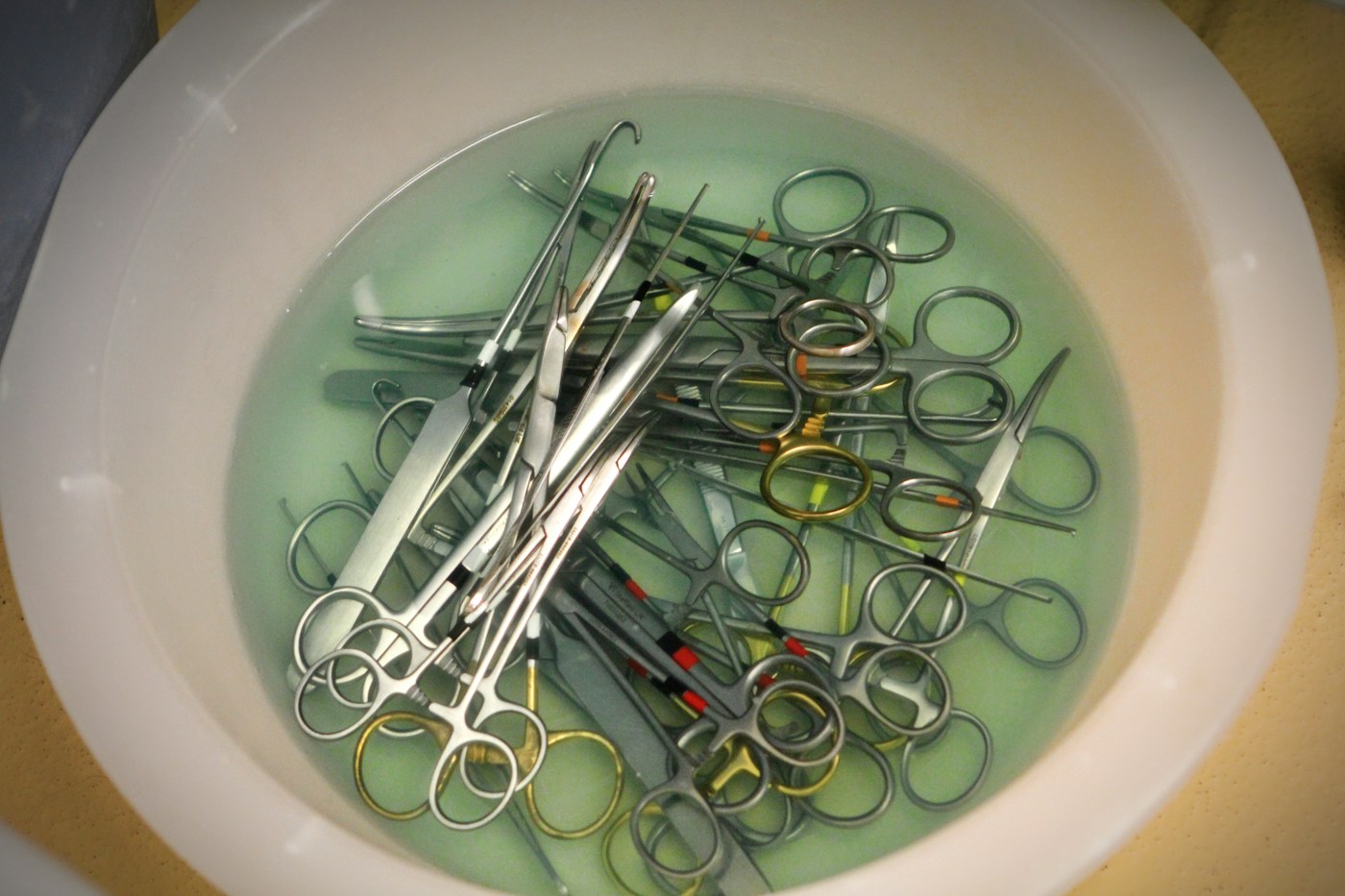
When sourcing surgical instrument sets, the most reliable starting point is a controlled list of instruments and acceptance requirements. A set may look complete in a photograph while still differing from the customer’s intended specification, so hospitals and distributors should compare the actual item list, dimensions, quantities, and documentation before confirming an order.
1. Confirm the intended set and item list
Ask for the exact list of instruments, quantities, sizes, product codes, and any required accessories. If the set is intended to match an existing reference, document the comparison and identify which items are mandatory, optional, or subject to substitution approval. Avoid approving a set based only on a broad name such as “orthopedic set” or “general surgery set.”
2. Check technical compatibility
Confirm the technical requirements for each instrument, including working length, jaw or tip configuration, handle design, connection dimensions, and compatibility with any named system. The clinical team should review the final selection, while procurement records the approved list. If a system-specific component is required, do not assume that a similar-looking alternative is interchangeable.
3. Plan trays, holders, and identification
Ask how each instrument is positioned and secured in the tray, how the set is labelled, and how staff will confirm the count. A practical layout makes it easier to identify missing pieces during receiving and inventory checks. Review tray dimensions, closures, holder positions, product labels, and carton protection along with the instruments themselves.
4. Review product and quality documentation
Agree which documents must accompany the order. Depending on the product and destination, the buyer may need a detailed packing list, item codes, material or inspection records, traceability data, and current certificates relevant to the actual product scope. Verify documents rather than assuming that all products in a supplier’s portfolio carry the same approval or certificate.
5. Approve the sample and acceptance criteria
Before a first or customized set goes into production, establish the approval sequence. Review the item list, actual samples, marking, tray layout, packaging, and any specified dimensional checks. Keep the signed-off reference and record any approved deviation. This step is especially useful when a distributor is building a repeatable catalog under its own product codes.
6. Plan replenishment and after-sales support
Ask how replacement instruments are identified and reordered, whether product codes remain consistent, and how the supplier handles shortages or quality concerns. For distributors, reliable replenishment and clear product records can be as important as the initial set price. Confirm lead time, minimum order quantities, packing configuration, and the process for managing specification changes.
A quick pre-order checklist
- Approved instrument list, quantities, sizes, and product codes.
- Technical specification and compatibility confirmed by the appropriate team.
- Tray layout, instrument holders, labelling, and packaging agreed.
- Sample approval and acceptance criteria recorded.
- Required documentation and traceability agreed for the intended market.
- Lead time, repeat-order process, and handling of shortages or deviations confirmed.
What is the difference between a standard set and a custom set?
A standard set follows a defined existing specification, while a custom set is tailored to a buyer’s approved list or requirements. In either case, the final contents, dimensions, packaging, and documentation should be written down before the order is accepted.
Virotech Instrument offers a catalog covering multiple surgical specialties and instrument sets. Browse the catalog or send an enquiry with your required list, quantities, and destination market. Clinical teams should confirm the intended instruments and all care or reprocessing requirements with the applicable instructions for use and facility procedures.